Different hosts.
Different communities.
Data before decisions.
Meet the people behind short-term rentals. Their stories reveal the work, livelihoods and local connections that make each one more than a stay. Decisions should reflect these realities, grounded in local data and a clear understanding of the impact on housing and livelihoods.
A family staying near their child’s rehabilitation centre. A visitor discovering local products through someone who knows the neighbourhood. A gardener whose business grew around the holiday homes he looks after. A guest finding their feet in a new city.
The circumstances are different. Understanding them belongs in the discussion about short-term rentals.
Meet the people
behind the stays.
Four places. Two perspectives in each. Discover the people welcoming guests and those whose lives and work connect with their stays.
Warsaw, Poland
A place to stay, close to care.
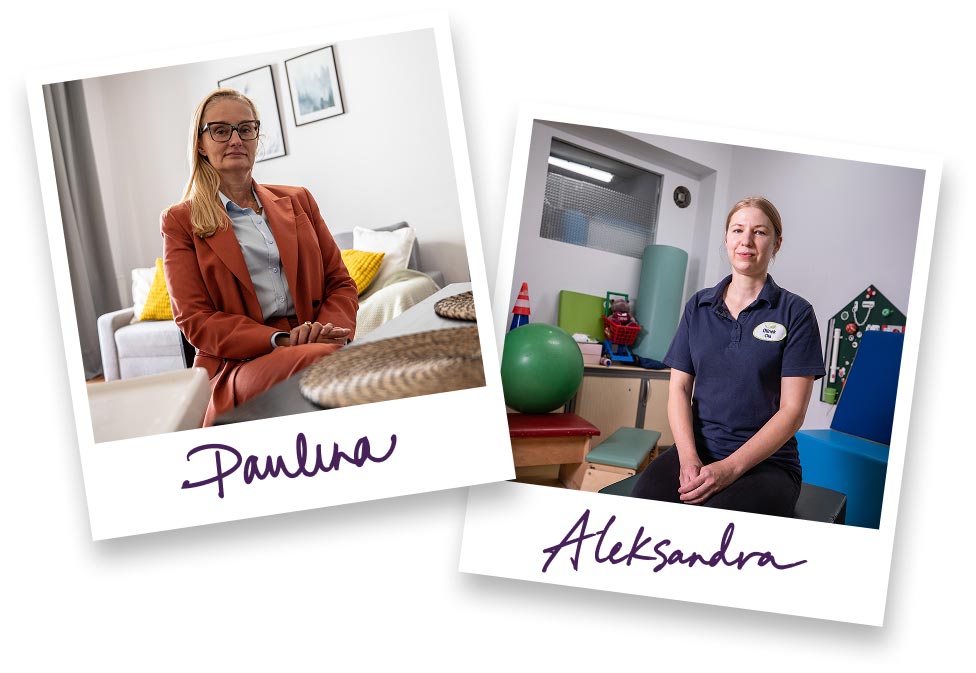
Paulina Benda manages apartments for their owners near Olinek rehabilitation centre. Physiotherapist Aleksandra Rosłoniec explains why families coming for their children’s therapy need space, a kitchen and somewhere nearby to rest.
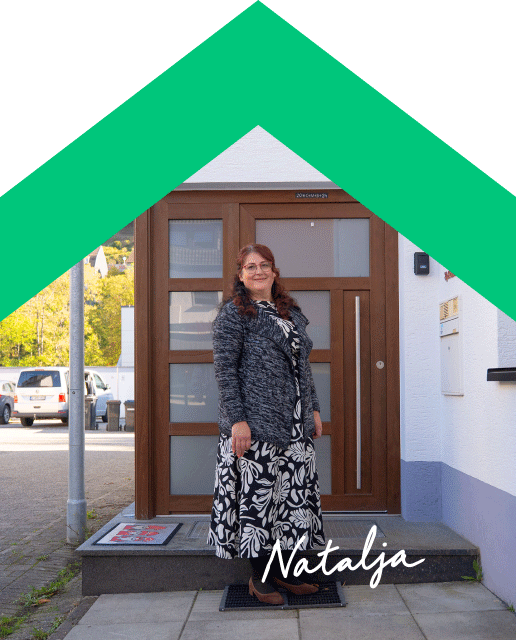
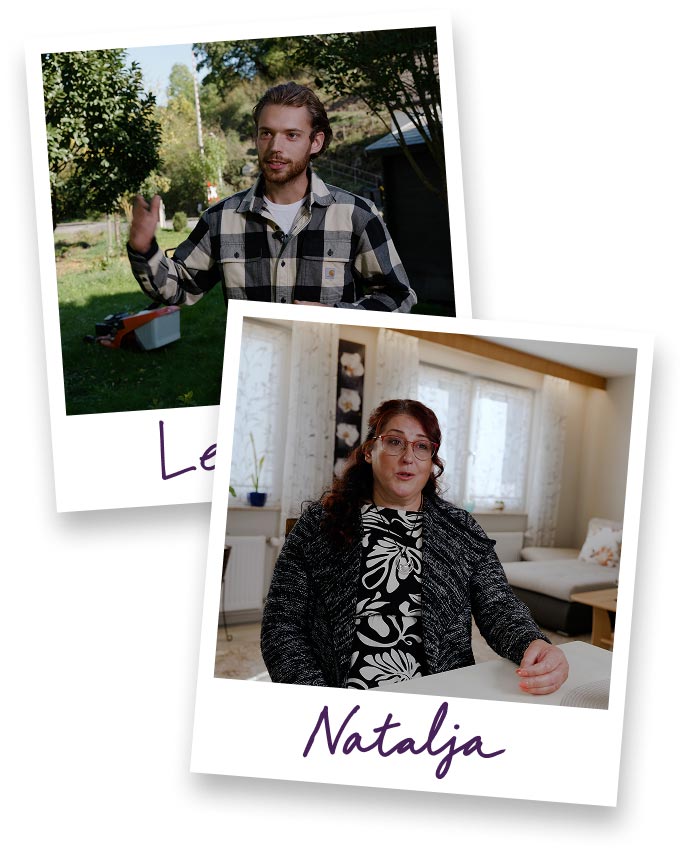
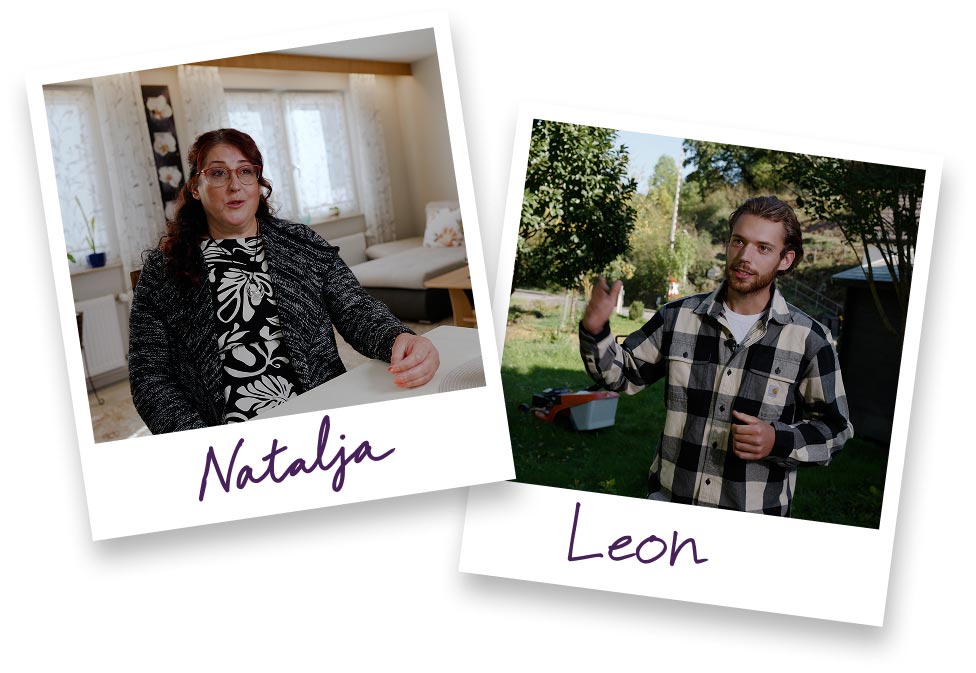
Natalja Erlenbusch manages holiday homes for their owners in the Eifel and runs the cleaning that keeps them ready for guests. Her son Leon, a landscape gardener, built his own business around the properties she looks after, and sees every garden through a guest’s eyes.
Simone rents out two rooms of her own Amsterdam home, where she lives and works as an artist, and hosting is what makes that work possible. Andrés stayed with her when he and his wife arrived from Bogotá for a new job, and found a way into the neighbourhood they now call home.
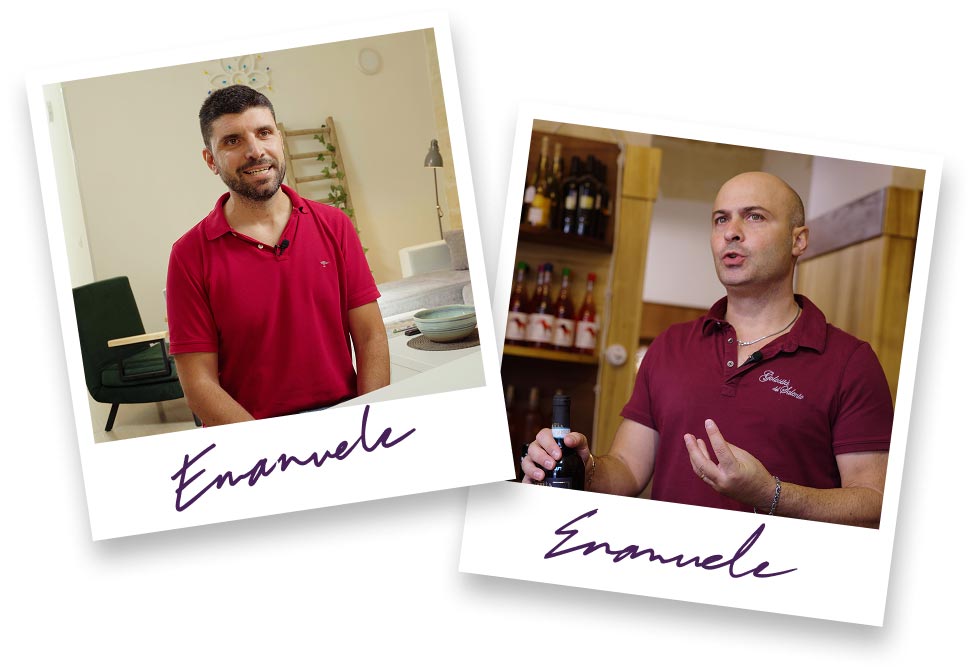
Emanuele Lisi runs holiday apartments he leases from their owners and takes guests to meet the people he knows. A short walk away, Emanuele Epicochi’s family shop, Golosità del Salento, introduces them to the olive oil, taralli and stories of the region.
It is essential that policymakers base short-term rental decisions on solid local data, taking into account their full consequences for housing, livelihoods and communities.
Understand the place
Look at local housing conditions, the types of accommodation involved and how they are used. Establish the problem a measure is meant to solve and what it would change.
Listen to the people
Hear from residents, hosts, property managers, guests and local businesses. Understand who uses the accommodation, whose work depends on it and what they bring to the community.
Assess the consequences
Weigh the housing outcome a measure is expected to deliver against its effects on the people whose livelihoods depend on these stays, on guests, and on the value they bring to the community. Make that assessment public and review what happens in practice.
Local data. A clearer picture.
Personal stories reveal individual experiences. Data helps place them in context and assess what different policy choices could change.
Patterns differ between places
The European Commission’s Joint Research Centre (JRC) estimates that short-term rentals represent around 1.2% of conventional dwellings in the EU. Their presence varies from one region and neighbourhood to the next.1
Better data supports local decisions
The EU STR Regulation (2024/1028) on data collection and sharing has applied since 20 May 2026, with implementation still under way. Data collected under the regulation should inform local assessments before restrictions are introduced.2
Read the numbers in context
A fall in listings is not the same as homes returning to residents. Data indicates that nearly 6,000 properties left the short-term rental market in the French Basque Country following restrictions, with fewer than 5% returning to year-round renting.3
A sector that supports livelihoods
In 2023, short-term rental activity supported around €149 billion in EU GDP, equivalent to 23% of tourism GDP, and 2.1 million jobs, according to an Oxford Economics study.4
This campaign is brought to you by the European Holiday Home Association (EHHA), which represents the short-term rental sector in Europe.
Through filmed interviews and personal stories, it brings the experiences of hosts, guests and connected local businesses and services into the policy discussion.
Basque Country figures compiled by UNPLV (Union Nationale pour la Promotion de la Location de Vacances), covering 2023–2025. See also Sudouest (statements from mayors of Hendaye and Saint-Jean-de-Luz), and other relevant information about Hendaye – Ecenarro (Sudouest, TF1) and Saint-Jean-de-Luz – Irigoyen (Sudouest).
To provide the best experiences, we use technologies like cookies to store and/or access device information. Consenting to these technologies will allow us to process data such as browsing behaviour or unique IDs on this site. Not consenting or withdrawing consent, may adversely affect certain features and functions.
Functional
Always active
The technical storage or access is strictly necessary for the legitimate purpose of enabling the use of a specific service explicitly requested by the subscriber or user, or for the sole purpose of carrying out the transmission of a communication over an electronic communications network.
Preferences
The technical storage or access is necessary for the legitimate purpose of storing preferences that are not requested by the subscriber or user.
Statistics
The technical storage or access that is used exclusively for statistical purposes.The technical storage or access that is used exclusively for anonymous statistical purposes. Without a subpoena, voluntary compliance on the part of your Internet Service Provider, or additional records from a third party, information stored or retrieved for this purpose alone cannot usually be used to identify you.
Marketing
The technical storage or access is required to create user profiles to send advertising, or to track the user on a website or across several websites for similar marketing purposes.